Ultra Low Beds for Fall Prevention: Protecting Loved Ones at Home

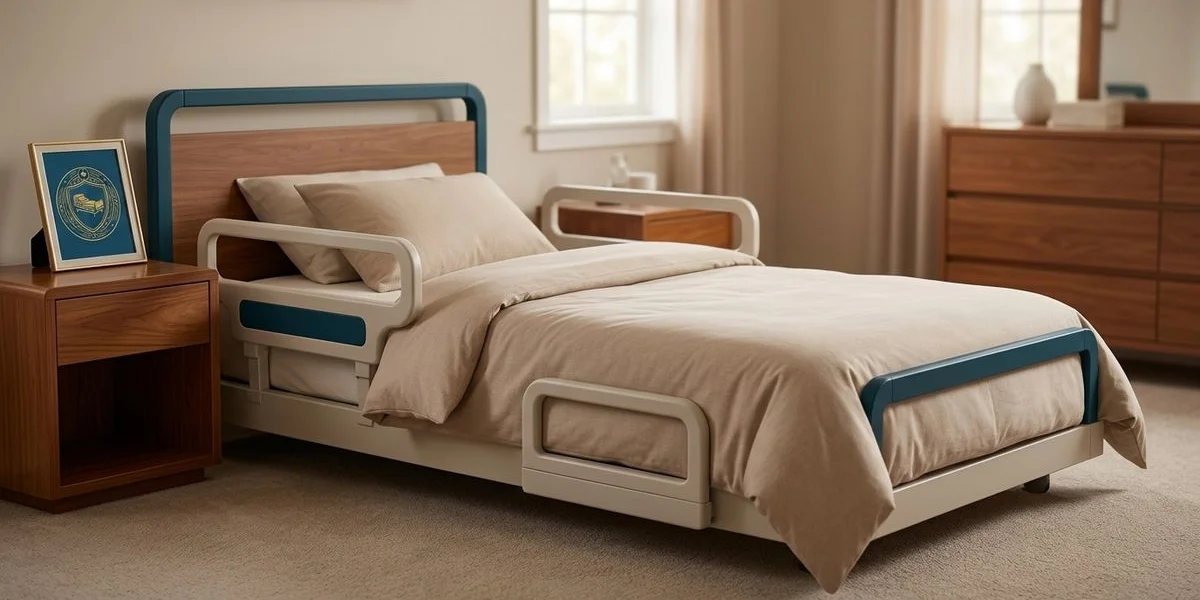
We see this struggle constantly in our field: families and facility owners desperately trying to keep vulnerable patients safe at night without using restraints. Falls from standard clinical beds are a leading cause of serious trauma for seniors across the US. The traditional approach often involves restrictive side rails.
Our team knows from experience that those rails can actually increase the danger for a confused individual. Instead, lowering the sleeping surface directly to the floor removes the dropping distance entirely. If a patient rolls off, there is practically nowhere to fall.
We will break down the latest 2026 data on injury reduction and share exactly how to set up these floor-level systems properly. The data provides clear answers.
How Ultra Low Beds Work
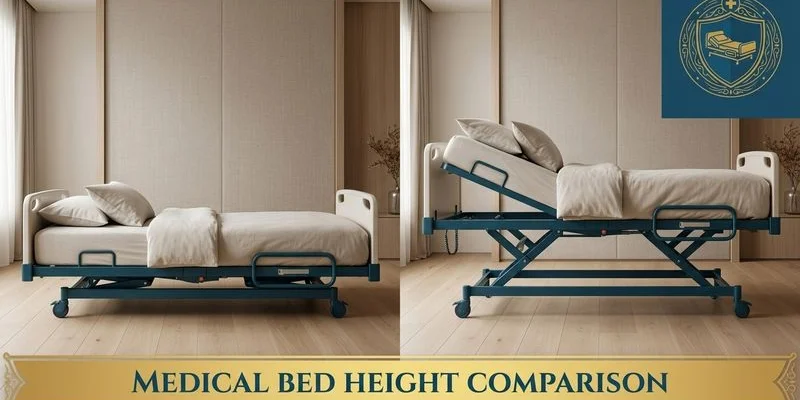
Our staff regularly compares these specialized models directly against standard fully-electric hospital beds to demonstrate the difference. A traditional frame usually bottoms out around 15 inches from the floor. That height is still tall enough to cause a painful fracture during a tumble.
We highly recommend checking out models like the Medacure ULB3.9, which drops down to an incredible 3.9 inches. This tiny gap virtually eliminates the impact force of a nighttime accident. During the day, the electronic motors lift the mattress back to a comfortable 25 or 30 inches. Caregivers need this higher working level to manage daily activities and transfers safely.
Our installers always verify that the height adjustments function smoothly to prevent staff back injuries. Lowering the platform back down at night provides an invisible safety net. This floor-level strategy is considered the gold standard by geriatric specialists today.
It works entirely without physical restraints. Our US healthcare guidelines strongly discourage side rails because they create dangerous entrapment zones. Using a floor-hugging frame delivers maximum fall protection while keeping the patient completely unrestricted.
Who Benefits Most from Ultra Low Beds
Patients with Alzheimer’s and Dementia
We rely on recent clinical data to understand the true scope of cognitive decline and mobility. Current 2026 statistics show that people with dementia fall at twice the rate of healthy older adults. Up to 60 percent of these individuals will experience at least one tumble this year.
Our experience shows that nighttime sundowning triggers a huge portion of these accidents. Late-night bed exits account for roughly 28 percent of severe falls in memory care settings. An Alzheimer’s care bed must account for this highly unpredictable behavior.
Patients might try to climb over raised rails in the dark. Our solution is to place the mattress inches from the floor so any unexpected exit results in a harmless slide rather than a dangerous drop.
Post-Surgical Patients on Pain Medication
We frequently assist families setting up recovery rooms after major surgeries. Opioid pain medications cause intense drowsiness, confusion, and impaired physical balance. A person waking up in a dark room might completely forget they just had a hip replacement.
Our team always warns caregivers to prepare for these moments of disorientation. The floor-level position catches the patient safely if they misjudge the mattress edge on the way to the bathroom.
Patients with Seizure Disorders
We know that seizures can cause sudden, violent movements. These uncontrollable spasms can easily launch a person off a standard mattress. An ultra-low setting severely limits the drop distance.
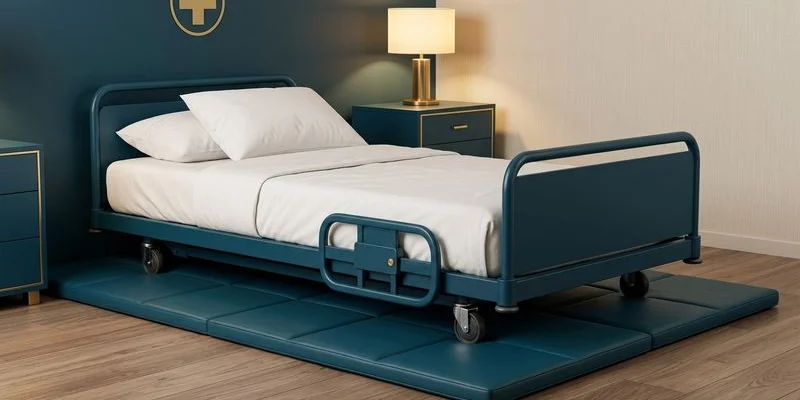
Our facility partners frequently pair this frame with a high-density floor mat for absolute maximum protection.
Patients with a History of Falls
We advise families to take immediate action after a single tumbling incident. One fracture dramatically worsens a senior’s general health and mobility. Fortunately, US Medicare Part B covers 80 percent of the approved cost for these specialized beds if a doctor documents a medical necessity.
Our billing specialists help clients process this paperwork every day. Securing this coverage makes premium safety equipment incredibly affordable for the average household. We also offer a curated selection of beds for seniors that combine fall prevention with comfortable daily use.
Restless Sleepers
We see many patients who toss, turn, and shift constantly throughout the night. This constant movement slowly pushes the sleeper toward the edge of the mattress. While side rails might seem like an obvious barrier, they are absolutely not foolproof.
Our preference is to rely on gravity and a low center of gravity instead. The floor-hugging position serves as a perfect, passive backup measure.
Padded Safety Mats
We consider a padded safety mat to be the essential second half of this protection system. Placing this cushion directly beside the frame completes the safety barrier. These products are typically 2 to 4 inches thick.
Our inventory features high-density polyurethane foam with a non-slip bottom layer. A medical-grade vinyl cover makes wiping up spills incredibly easy.
Choosing the Right Mat
Our installers use a strict checklist when selecting the perfect floor cushion. Proper sizing prevents accidental injuries during the day.
- Size: The foam should extend along the entire drop zone, typically 24 to 36 inches wide and at least 60 inches long.
- Thickness: Choose a 3-inch or 4-inch depth for the highest risk individuals.
- Surface: Beveled edges are critical to prevent caregivers from tripping while walking past.
- Durability: Heavy-duty medical vinyl resists tearing and moisture much better than standard fabric.
Folding Mats vs Fixed Mats
We often recommend folding designs for smaller residential bedrooms. Families can tuck these away during the day to keep the room functional for wheelchairs and walkers. Fixed versions stay on the floor permanently.
Our commercial clients use fixed mats primarily for residents who never walk independently.
Entrapment Risk Mitigation
We take entrapment risk mitigation extremely seriously during every installation. This hazard occurs when a person becomes stuck between the mattress and a rail, or within the frame structure itself. These specialized frames require very unique safety checks.
FDA Entrapment Zones
We strictly follow the safety guidelines published by the US Food and Drug Administration. The FDA identifies specific entrapment zones in clinical beds. Safety inspectors use a standardized 4.7-inch testing probe.
Our technicians use this exact measurement because it represents the size of a small adult head based on the 5th-percentile female.
- Within the rail itself, or under the rail between the metal supports.
- Between the rail and the mattress edge.
- Under the rail at the extreme ends.
- Between split bed rails.
- Between the end of the rail and the side edge of the headboard.
- Between the headboard or footboard and the mattress end.
Ultra-Low Specific Concerns
We pay special attention to Zone 7 when dealing with floor-level frames. Lowering the platform to 7 inches creates a new gap between the bottom of the structure and the floor itself. This hazard simply does not exist on a standard frame.
Our maintenance teams always verify three critical points.
- The frame design must block any body part from sliding under the descending metal.
- The mattress dimensions must perfectly match the deck to eliminate side rail gaps.
- The rails must fit flush against the fabric at every single height setting.
You must inspect these physical gaps regularly. Checking the clearances is especially important after buying a new mattress.
Choosing an Ultra Low Bed
We help families evaluate several technical features before they purchase an ultra-low hospital bed for their home. The right specifications make a massive difference in daily usability. Here is what you need to review.
Lowest Height
Our primary focus is always the absolute minimum clearance. A drop to 7 inches is excellent, while 10 inches is still considered very good. Anything above 12 inches provides diminishing fall-prevention benefits.
We remind clients that a 6-inch memory foam mattress adds directly to the total sleeping height.
Highest Height
We also verify the maximum elevation for caregiver safety. The platform must rise to a comfortable level for dressing, feeding, and physical transfers. A model that tops out at 20 inches is terrible for a nurse’s back.
Our preferred models, like the Drive Medical Delta Ultra-Light, rise to nearly 24 inches to ensure comfortable access.
Speed of Descent
We test the motor speed to see how fast the deck drops. During an emergency, you want the machinery to respond immediately. The system should reach the floor-level position in under 30 seconds.
Our top picks use high-quality DC motors for rapid, smooth movement.
Noise Level
We listen closely to the motor acoustics during operation. The descent mechanism must be nearly silent to avoid waking a sleeping senior. A loud, grinding engine completely defeats the purpose of nighttime adjustments.
Our experts look for self-contained motor units that minimize vibration and noise.
Compatibility with Safety Mats
We always check the clearance around the wheels and base structure. The frame design must allow a foam mat to sit perfectly flush against the metal. Gaps between the cushion and the frame create a dangerous trapping hazard.
Our installers confirm that the mat does not block the caster locking mechanisms.
Combining Ultra Low Beds with Other Safety Measures
We view floor-level positioning as just one piece of a complete home safety strategy. Combining this equipment with other practical tools creates a much stronger defense.
- Bed alarm sensors provide a 3-mode exit alert when a patient starts to sit up.
- Motion-activated LED night lights illuminate the exact floor path to the bathroom.
- Non-slip hospital socks feature rubber grips to stop sliding on hardwood floors.
- High-density safety mats cushion the impact of any tumble that does occur.
- Strict toileting schedules reduce the desperate urgency that causes rushed, dangerous exits.
- Medication timing ensures peak drowsiness aligns perfectly with the lowest mattress position.
The Evidence for Ultra Low Beds
We review clinical safety research constantly to ensure our recommendations are scientifically sound. The latest 2026 data from long-term care facilities shows significant improvements in patient outcomes. Replacing standard frames with floor-hugging models reduces serious fall-related injuries by up to 80 percent.
The data proves that this equipment actively prevents broken bones and head trauma. Our facility partners report a significant decrease in the use of physical restraints. Interestingly, the total frequency of bed exits does not change.
Patients still try to get up in the dark, but they survive the attempt without harm. We love seeing how this simple change improves family satisfaction and lowers caregiver anxiety. These clinical results translate perfectly to residential home care.
The goal is never to tie someone down. Our mission is simply to make the inevitable nighttime wandering as safe as humanly possible.
Practical Tips for Daily Use
We want to leave you with a few daily operational rules to maximize your new equipment. Proper routine management keeps both the patient and the caregiver safe.
- Raise the platform to 25 inches for all dressing and feeding tasks to protect your own lower back.
- Drop the frame to the floor every single time you leave the room at night.
- Pull the foam cushion away during the day to prevent the patient from tripping over it.
- Lock the 360-degree casters firmly into place before the patient goes to sleep.
- Measure your exact clearance if you ever upgrade to a thicker pressure-relief mattress.
We have compiled plenty of additional resources for families dealing with mobility challenges. You can read our comprehensive guide to setting up a home recovery room for specific layout advice. If you are dealing with cognitive decline, learn more about choosing a bed for Alzheimer’s and dementia care.
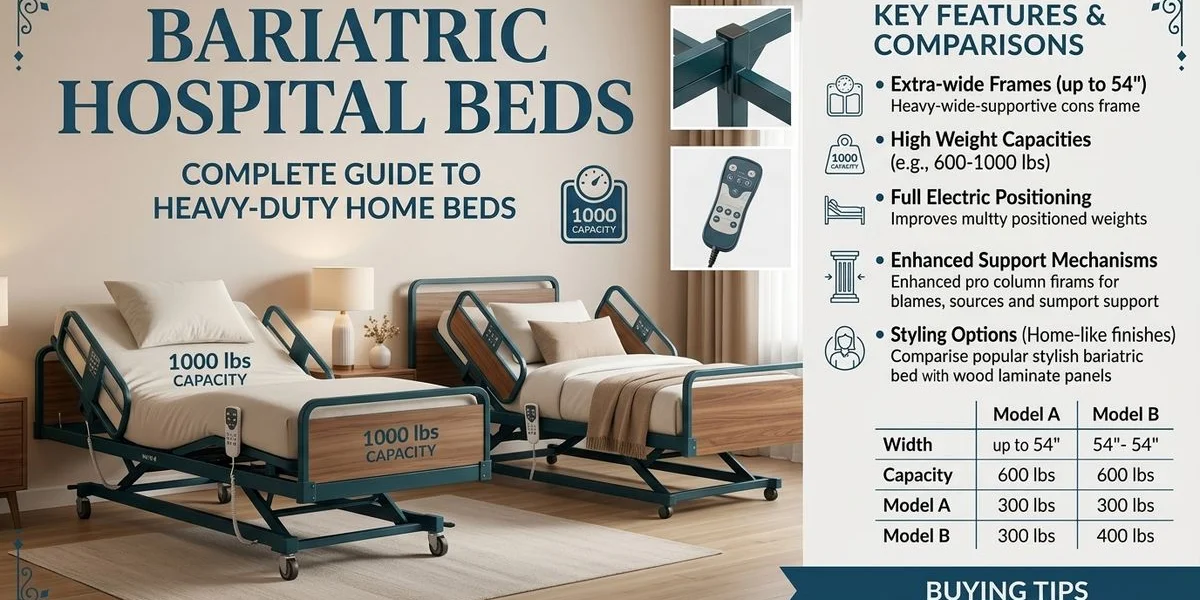
For a broader look at all specialized bed types including bariatric and luxury options, read our complete guide to bariatric hospital beds. Our US-based support team specializes in advanced fall prevention systems and can help you select the perfect floor-level setup for your loved one. Contact us today to evaluate your specific space and safety needs.